

Do We Know Where We’re Going?
The over-documented life
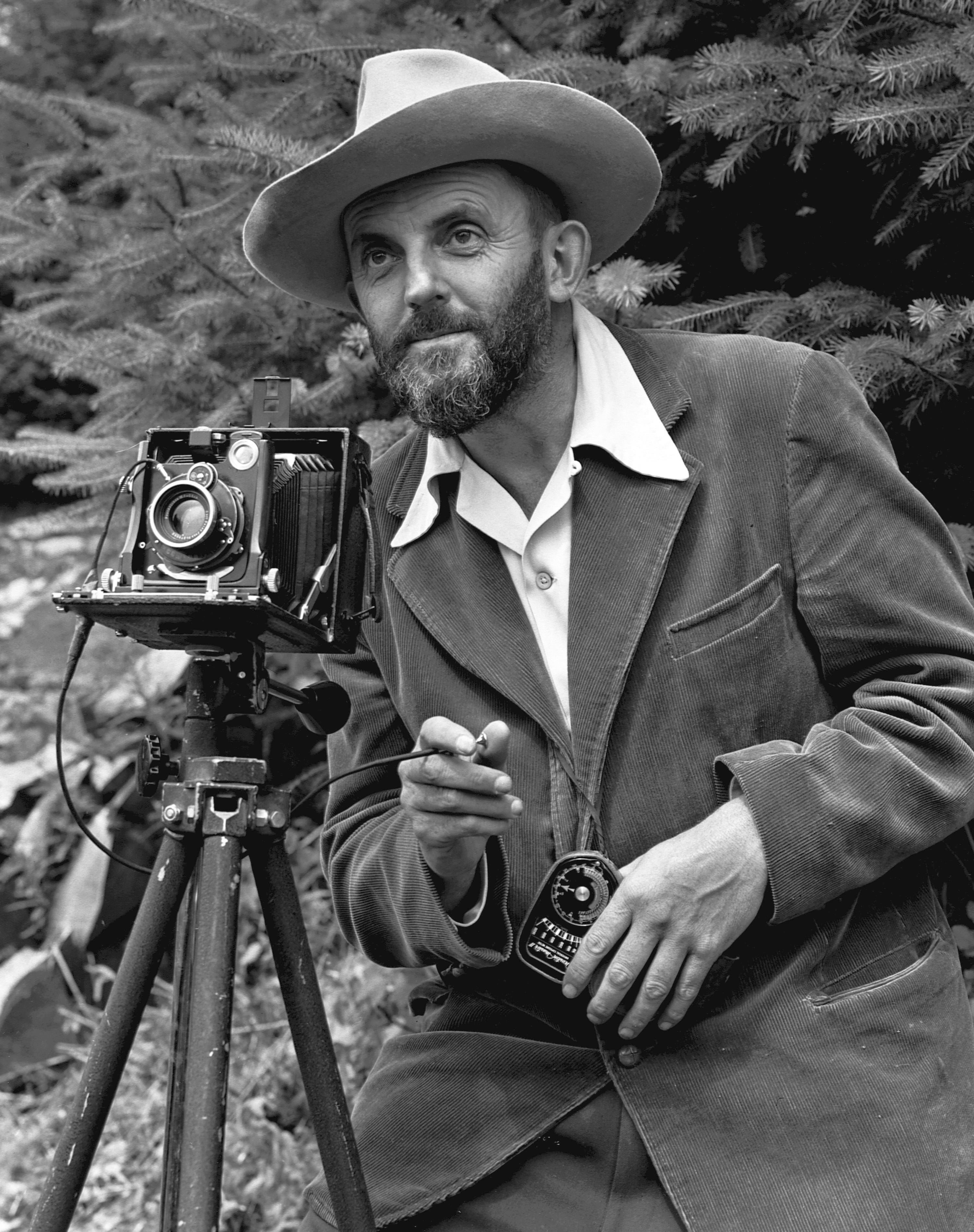
Our lives today are over-documented but under-examined. Thanks to the ubiquitous smartphone, every moment, however ordinary, has become what was once called a “precious moment” in the Kodak years. Yet they accumulate like family photos stuck in a shoebox and shoved in the closet, never to be seen again.
Once upon a time, a photo truly was something special. When I look at a dog-eared black-and-white photo of my grandfather, sitting upon his 1943 John Deere tractor, smoking a hand-rolled cigarette while tilling the collard fields, his shirt dark with sweat on that sizzling Mississippi summer day, I spend time with it. It invokes the past, a period in history when taking a photo was not something easy and cheap. It shows a specific moment when my father, who took the photo, saw a memorable scene that would show his children how things were back in the day. This single photo has great value to me.
Today, we have entire rivers of cheap images directed our way: rivers in full spring flood mode, overflowing their banks, breaching levees, forcing people and chickens and cows to higher ground.
But it’s not just images. We’re experiencing something that’s never happened before: the mass recording of everything that happens to us, every second of the day. Some of it is without our intent—such as when the gizmo in my car notifies my insurance company of a “hard braking event”—but much of it is of our own doing. We not only take pictures and movies, we also write texts and emails, update our calendars and just keep moving, like the shark that must swim in order to breathe.
Yet we rarely think about where all of this is taking us.
When documentation requires effort, such as when we handwrite a letter or paint a landscape or even make the effort to shoot a well-considered photograph, the act itself is a form of reflection. But now that technology has made documenting effortless, we no longer enjoy the work that once made it meaningful. Because we outsource memory to devices, we weaken the internal processing that gives experience its value.
As we accumulate our images and data, we mistake the archive for the examined life.